All Categories
Featured
Table of Contents
To combat these concerns effectively, it's essential to choose a versatile lawn mix that can handle the extremes.
Are Natural Fertilizer Alternatives BetterThe climate you live in considerably impacts your yard option. Cool-season grasses thrive in northern environments, while warm-season lawns are better fit for southern regions.
Are Natural Fertilizer Alternatives BetterThe finest high fescue lawn seed is celebrated for its durability and robust root system, making it a prime option for lawns that sustain both sun and shade. At Yard Synergy, we proudly include the Titan RX Sun and Shade Turf-Type Tall Fescue Lawn Seed, created to stand out throughout varied ecological conditions.
Its disease and dry spell resistance abilities are impressive, offering you with a low-maintenance lawn service that endures the test of time. The deep-root system of our Turf-Type Tall Fescue not only stabilizes your grass but likewise optimizes nutrient uptake, promoting a lavish, vibrant green lawn throughout the year. Versatile and dependable, whether your lawn is exposed to unrelenting sun or enjoys significant shade, our Turf-Type Tall Fescue Turf Seed adjusts effortlessly, using unparalleled efficiency and visual appeal in every setting.
Unlocking Ground Potential With Organic Additives
It's especially effective in reviving damaged lawns, as it integrates well with existing yard to develop a thick, lush appearance. The speedy development of Seasonal Ryegrass likewise helps it contend versus weeds, guaranteeing your lawn stays as pure and attractive as possible. Great Fescue is well-suited for lawns that experience a mix of sun and shade, growing in cool environments and shaded locations where other turfs may falter.
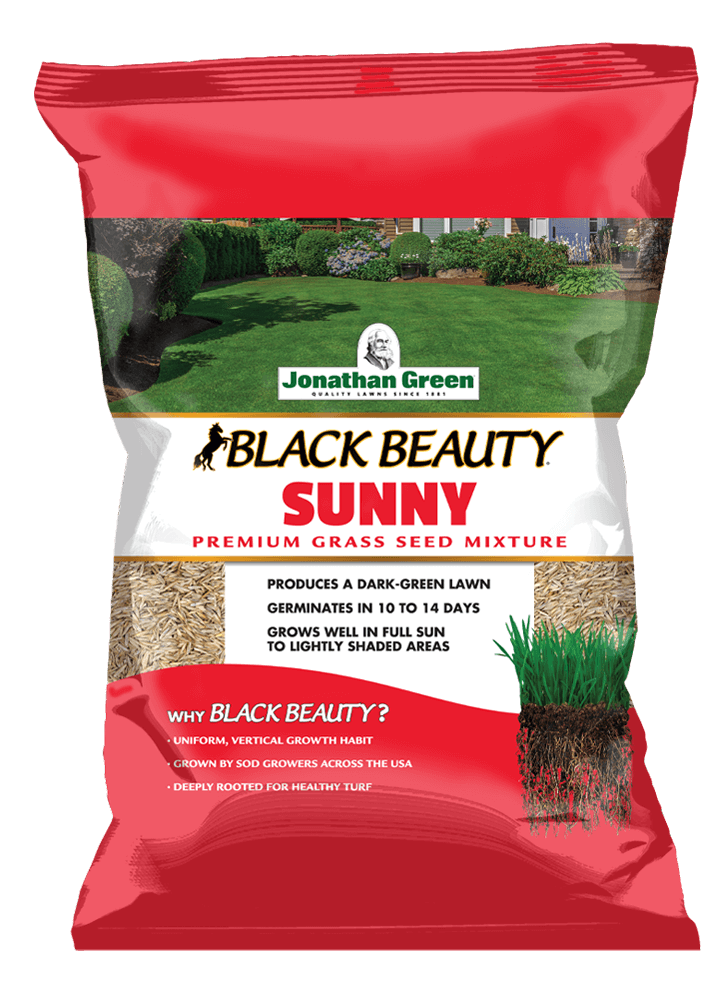
This kind of grass is drought-tolerant when established and needs less upkeep, making it perfect for low-fertility soils and less trafficked locations. Great Fescue's flexibility to moderately sunny spots also permits it to mix well with other grass key ins a seed mix, offering a lavish, multi-textured green area. Kentucky Bluegrass is treasured for its rich color and fine texture, presenting an ideal surface area for different yard activities.
Kentucky Bluegrass forms a thick yard with a strong root system that helps it recover from environmental stresses. When offered adequate wetness and nutrients, it can spread easily to fill gaps, making it reliable for developing an uniform lawn look. Proper care, consisting of regular mowing and fertilization, enables it to preserve its vibrant color and resilience against wear.
It grows well in southern regions where heat can be intense and is kept in mind for its dense, carpet-like quality that chokes out weeds and offers a smooth, cushiony lawn surface. Zoysia's shade tolerance likewise makes it a flexible option for lawns with varied lighting. While it develops more gradually than some yard types, its long-term sturdiness and low water requirement make it a sustainable choice for warm climates.
Augustine Turf is especially advantageous in tropical and subtropical environments, where it thrives in the heat and manages shade much better than numerous warm-season turfs. It's especially efficient in coastal locations where other yards may battle with salt spray and sandy soils. St. Augustine's thick growth habit not only offers a rich, green appearance however also assists suppress weed growth, making it a preferred for homeowners looking for a low-maintenance yard that remains healthy and vibrant under a variety of light conditions.
Achieving Long-Term Turf Vitality Using Natural Methods
Apply the seed evenly across your lawn, utilizing a spreader for consistency. For locations that receive more shade, increase the seeding rate to encourage denser development. Water your new yard deeply but occasionally to motivate strong root advancement. Adjust your watering schedule based upon sunshine exposuremore water in sunny areas and less in shade.
Fertilize more regularly in sunnier areas to support robust growth. Keep your yard at a perfect height, generally in between 2.5 to 3.5 inches, to promote healthy roots and avoid weeds. Adjust your yard care practices with the seasonsmore watering and mowing in the growing season and proper winterization as the cold methods.
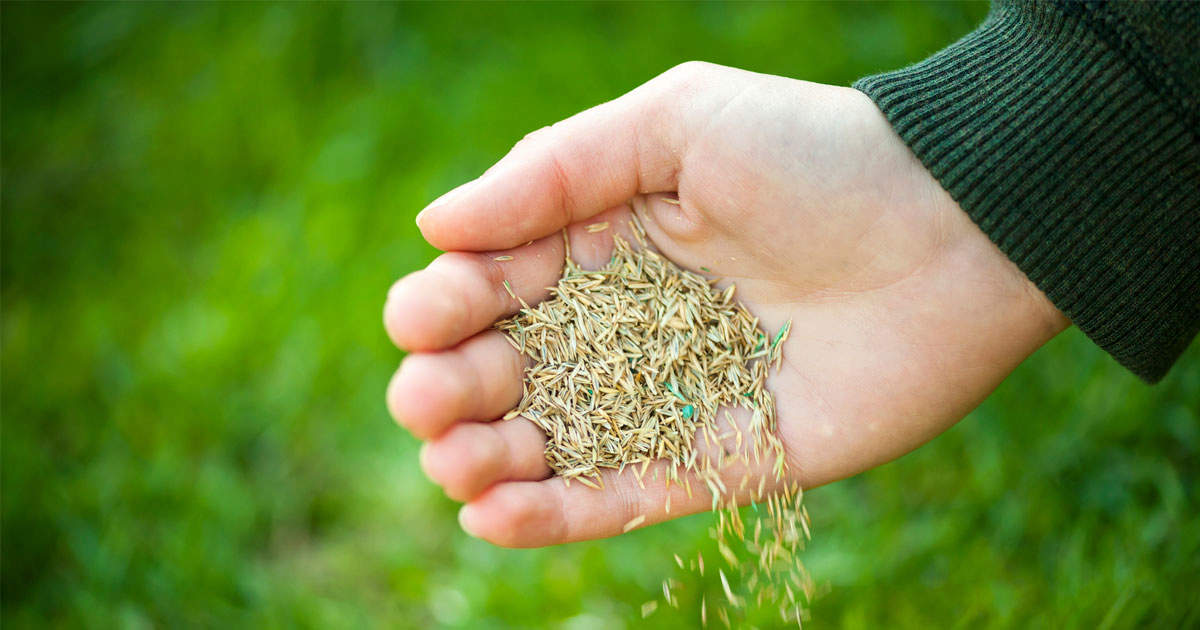
Picking the best yard seed sun and shade requires understanding the special difficulties of sun and shade environments., we equip you with the knowledge and items to achieve a yard you'll enjoy.

Latest Posts
Why Many People Choose An Amsterdam Romance Advisor For Advice
Eco-Friendly Nutrient Options for Healthy Growth
Complete Guide for DIY Turf Restoration